The whole point of downloading music is that moment when the bars disappear — the flight, the subway, the hike, the data plan that ran dry three days before the month ends — and your music keeps playing anyway. Apple Music on Android handles offline listening well, but only if a few things are set up correctly beforehand, and there are some genuinely confusing failure modes where songs you thought you downloaded refuse to play the moment you’re actually offline.
This guide covers the full picture: setting up true offline playback in the Apple Music app on Android, the settings that quietly sabotage it, why some “downloaded” songs still demand a connection, and the one approach that removes every connection and subscription dependency for good.
How offline playback actually works in Apple Music
Quick foundation, because it explains every problem below. Apple Music streams by default — when you tap a song, it pulls from the internet. Downloading a song stores an encrypted copy on your phone so the app can play it with no connection. Simple enough.
But two dependencies remain even for downloaded songs. First, the downloads are DRM-protected and tied to your subscription, and the app periodically needs to verify that subscription — which is why an account issue can lock you out of music that’s sitting right there on your phone. Second, only songs you explicitly downloaded are offline; everything else in your library still needs a connection, and the app doesn’t always make the distinction obvious. Most “why won’t my music play offline?” frustration traces back to one of these two facts.
With that understood, here’s the setup that works.
Step 1: Download the music before you lose signal
Obvious, but the details matter:
Open the Apple Music app, find the album or playlist you want available offline, add it to your library if it isn’t already, then tap the download icon (downward arrow). Wait for downloads to actually complete — a half-finished download won’t play offline. For individual songs, use the three-dot menu and choose Download.
Do this while you’re still on Wi-Fi, ideally the night before a trip rather than at the gate. Large playlists at high quality take time.
Step 2: Check the three settings that decide whether this works
These are the silent saboteurs. Two minutes here prevent most offline failures:
Download quality vs. storage. In Settings, then Audio Quality, your Download setting determines file size. Lossless downloads are dramatically larger — if your phone runs low on space mid-download, tracks silently fail to finish. For an Android phone used mostly with Bluetooth headphones (which can’t carry lossless anyway), standard high quality is the pragmatic choice that fits far more music.
Cellular download permissions. If downloads are set to Wi-Fi only and you try to grab songs on mobile data, they’ll queue and never start. Decide this deliberately based on your data plan.
Storage optimization. If the app or phone has any automatic storage-freeing behavior enabled, it can remove downloads you haven’t played recently — which you’ll discover at the worst possible moment. If guaranteed offline access matters, make sure nothing is auto-deleting your downloads.
Step 3: Play offline the right way
When you’re without a connection, don’t browse the app normally — half of what you’ll see is streaming content that won’t play, which is confusing and annoying. Instead:
Go to Library, then Downloaded Music. This view shows only what’s stored locally. Everything in it plays instantly with no connection — airplane mode, no data, no Wi-Fi, doesn’t matter. Playing from this view instead of the main library is the single best habit for offline listening, because it eliminates the guesswork about what’s actually available.
Troubleshooting: “downloaded” songs that won’t play offline
The most maddening scenario: you downloaded the songs, you’re offline, and they won’t play. The usual culprits, in order of likelihood:
The download never actually finished. Interrupted Wi-Fi, a full phone, or a closed app can leave tracks partially saved. While you still have a connection, open Downloaded Music and spot-check that your key albums show as fully downloaded.
Subscription verification failed. Because downloads are DRM-locked, the app occasionally needs to confirm your membership. If your subscription lapsed, payment failed, or you signed out, downloaded songs stop playing even though the files are on the phone. This is by design — it’s the fundamental limitation of app-based downloads.
Signed into the wrong account. Downloads belong to the Apple Account that made them. If the phone switched accounts (family members sharing a device, a new sign-in), the previous account’s downloads won’t play.
App glitch. Failing the above: force-close and reopen the app, and if needed, clear the app’s cache (App info, then Storage, then Clear cache — avoid Clear data, which signs you out and can remove downloads).
The structural fix: music with zero dependencies
Every issue above shares one root cause: the app’s downloads aren’t really yours. They’re encrypted, subscription-verified copies that Apple’s app controls. For everyday use with an active subscription, that’s fine. But if you want music that plays offline unconditionally — no subscription checks, no account confusion, no app deciding anything — the answer is converting your essential music into plain MP3 files.
MP3 files on Android have no dependencies at all. They sit in your phone’s storage like photos, play in any music app, work in airplane mode forever, and don’t care whether you’re subscribed to anything. Here’s the process:
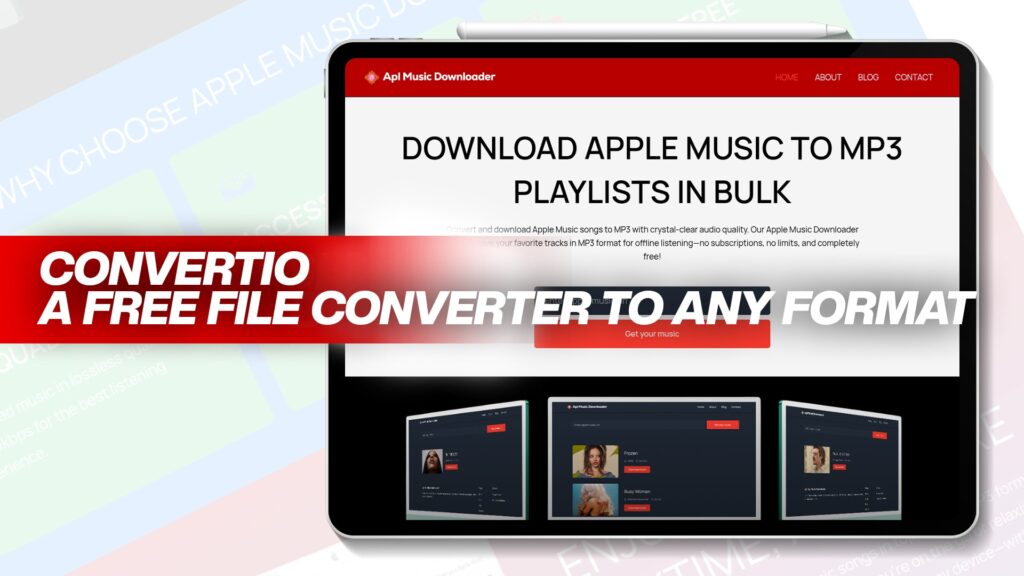
Convert the songs. A free tool like Apl Music Downloader saves Apple Music songs as MP3 with clear audio and no subscription: copy the song or playlist link from Apple Music’s Share menu, paste it into the converter, choose MP3 at the highest bitrate offered, and save the files. The mechanics are detailed in this guide to converting Apple Music downloads to MP3, and the protection that makes a converter necessary is explained in this piece on protected Apple Music.
Copy them to your phone. USB cable into the Music folder, or via cloud storage — Android accepts loose music files without any fuss.
Play in any app. The built-in player, VLC, Poweramp — they all find local MP3s automatically. That music now plays offline in every situation, permanently.
For building out a proper offline collection this way, this guide to saving Apple Music songs offline covers organization and habits that keep a growing library manageable.
The smart two-layer setup
The best practical arrangement combines both approaches, because they cover different needs:
Layer 1 — the app, for breadth. Keep your Apple Music subscription doing what it does best: the whole catalog, synced playlists, discovering new music, and downloading whatever you’re currently into for offline listening. Accept its dependencies as the cost of access to everything.
Layer 2 — MP3s, for certainty. Convert your true essentials — the few hundred songs you’d want on a desert island — into MP3 files stored locally. This layer has no failure modes. Subscription lapses, account glitches, app bugs, verification checks: none of it touches these files.
With both layers, “will my music play?” stops being a question. The app covers your everyday variety; the MP3 layer guarantees your core library under absolutely any conditions.
Data-saving bonus: offline listening even when you have signal
Worth mentioning because it’s the same feature serving a different goal: playing downloaded music instead of streaming also saves mobile data. If your plan is limited, downloading your heavy-rotation playlists on Wi-Fi and playing from Downloaded Music during the day means your commute listening costs zero data. The same setup that survives airplane mode also protects your data cap — two problems, one habit.
A note on doing this responsibly
Converting music for your own personal, offline use generally sits in a different category from sharing or redistributing it, and Apple’s terms of service set their own rules separate from copyright law. Keep any conversions strictly for your own listening, never sell or share them, and follow the rules where you live.
Common Questions
Can Apple Music play offline on Android without Wi-Fi? Yes. Download songs, albums, or playlists in the app while connected, then play them from Library, then Downloaded Music — no Wi-Fi or data needed during playback.
Why won’t my downloaded songs play offline? Usually one of: the download never fully completed, the subscription lapsed or couldn’t be verified (downloads are DRM-locked to active membership), the phone is signed into a different Apple Account, or an app glitch a cache-clear fixes.
Does offline playback use mobile data? No. Songs played from Downloaded Music come entirely from local storage. Streaming anything not downloaded does use data, which is why playing from the Downloaded Music view specifically is the reliable habit.
Do my downloads survive cancelling Apple Music? No — in-app downloads stop playing when the subscription ends. Converted MP3 files stored on your phone are the only version that survives cancellation.
What’s the most reliable way to guarantee offline music on Android? Local MP3 files. They have no subscription checks, no account ties, and no app dependencies — they play in any music app under any conditions, permanently.
The bottom line
Playing Apple Music offline on Android without Wi-Fi works well once three things are true: the music is fully downloaded ahead of time, the settings aren’t quietly sabotaging you (storage space, cellular permissions, auto-cleanup), and you play from the Downloaded Music view so there’s no guessing about what’s actually local. When downloaded songs still refuse to play, it’s almost always an incomplete download or a subscription-verification issue — the built-in limitation of DRM-locked downloads.
For music that must play under any conditions whatsoever, add the ownership layer: convert your essentials to MP3 and store them in your phone’s own storage, where no subscription check, account issue, or app behavior can ever touch them. Downloads for variety, MP3s for certainty — set it up once, and losing signal stops meaning losing your music.